
Melbourne drivers encounter a wide range of conditions that can damage windscreens and other automotive glass. Loose stones around roadworks, debris on freeways, severe weather and sudden temperature changes can all cause chips, cracks or shattered windows.
Some minor windscreen damage can be repaired if treated early. More extensive cracks and broken side or rear windows generally require replacement. Knowing what caused the damage and having it assessed promptly can prevent the problem from becoming worse.
Loose Stones and Road Debris
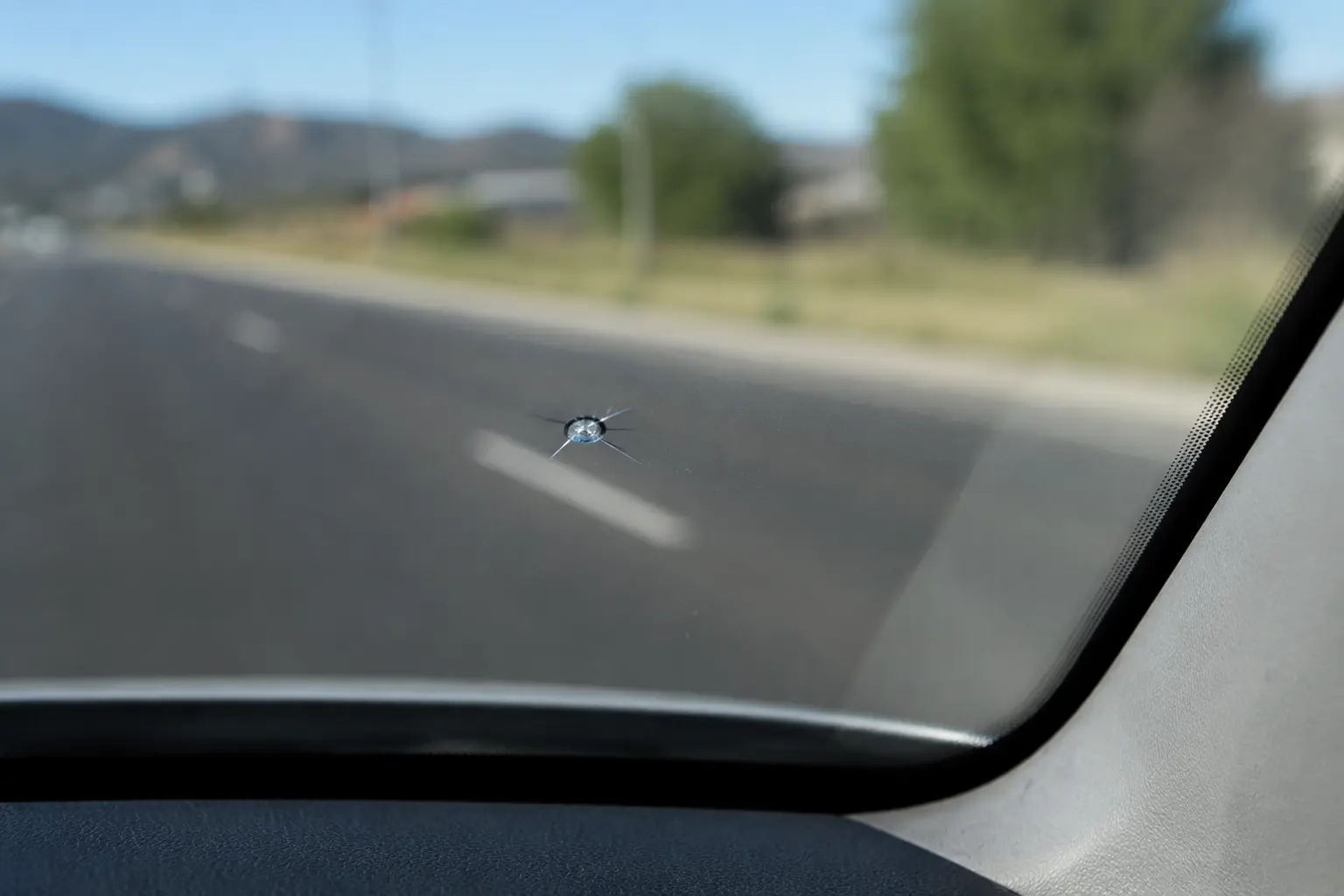
Loose stones are among the most common causes of windscreen chips. They can be thrown into the air by cars, trucks and construction vehicles, striking vehicles travelling behind them.
Melbourne’s ongoing roadworks, busy freeways and outer-suburban roads can all expose vehicles to loose gravel and other debris. The risk can be reduced by maintaining a safe distance from trucks and other large vehicles, particularly around work zones or unsealed road edges.
A small stone chip may be repairable if it is assessed promptly. Continuing to drive with the damage can allow road vibrations, moisture and temperature changes to turn it into a larger crack.
Storms, Hail and Falling Objects
Melbourne storms can bring hail, strong winds and falling branches, all of which can damage vehicle glass. Windblown debris may also strike windscreens, side windows and rear glass when a vehicle is parked or being driven.
Parking beneath large trees can increase the risk during windy or stormy conditions. Where possible, move the vehicle into a garage, carport or another sheltered location when severe weather is forecast.
Inspect the vehicle after a storm, even if there is no immediately obvious damage. Small impact marks can be difficult to notice from inside the car but may begin spreading later.
Sudden Changes in Temperature
Automotive glass is designed to cope with normal weather conditions. However, sudden heating or cooling can place additional stress on an existing chip or crack.
For example, directing very hot air onto a cold windscreen or using extremely cold air conditioning after a car has been parked in the summer sun may cause existing damage to spread.
Melbourne’s changeable temperatures make it important to allow the glass to heat or cool gradually. Avoid pouring hot water onto a cold windscreen and have existing damage assessed before it develops into a larger crack.
Collisions and Other Heavy Impacts
Collisions can damage automotive glass even when the windscreen or window is not struck directly. Movement in the vehicle body can place pressure on the edges of the glass, causing cracks around the mounting area.
The damage may not always be immediately obvious. Fine cracks can appear around the edges of the windscreen and spread when the vehicle is later driven over speed humps, potholes or uneven roads.
Vehicle glass should be inspected following a collision, particularly if you notice cracks, water leaks, unusual wind noise or movement around the seals.
Break-Ins and Vandalism
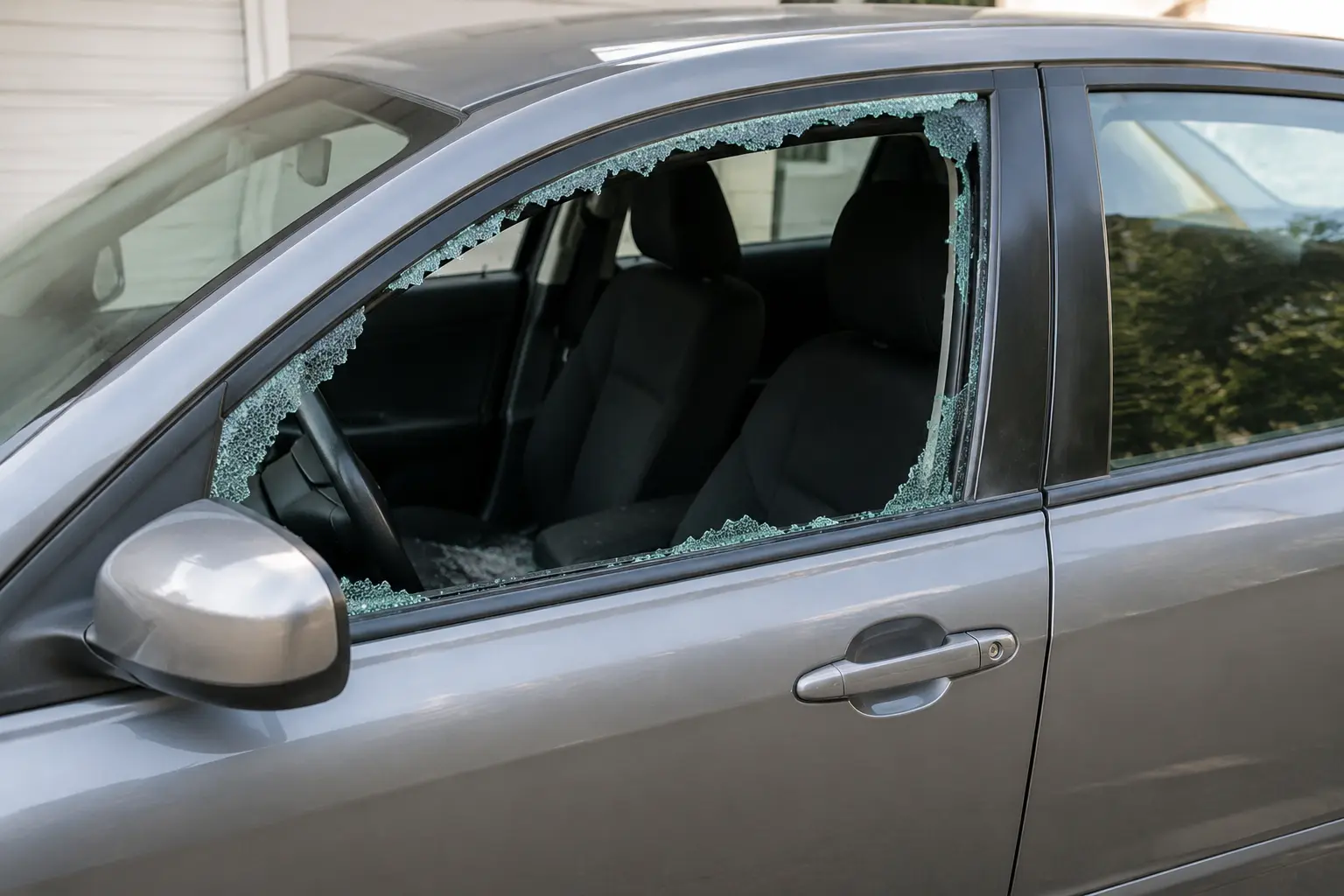
Side windows are frequently broken during attempted vehicle break-ins because they provide access to the cabin. Windscreens and rear windows may also be damaged by vandalism or other forceful impacts.
Many side and rear windows are made from tempered glass, which breaks into numerous small pieces when shattered. Once this happens, the panel cannot be repaired and must be replaced.
When parking around Melbourne, choose a secure or well-lit location where possible and avoid leaving bags, devices or other valuables visible inside the vehicle.
Existing Chips Left Unrepaired
A small windscreen chip can remain stable for some time, but it can also spread without warning. Road vibrations, potholes, door slamming and temperature changes can all place additional pressure on the weakened area.
Once a chip develops into a long crack, repair may no longer be possible. Arranging an early chip repair can help preserve the existing windscreen and avoid the need to replace the entire panel.
Avoid pressing on the damaged area or attempting a DIY resin repair before it has been professionally assessed. An unsuccessful repair attempt may make the damage more difficult to treat correctly.
Previous Installation Problems
A correctly installed windscreen should sit securely within the vehicle opening and form a reliable seal. Problems can develop if the wrong glass or adhesive was used, the mounting surface was not prepared correctly or the windscreen was fitted under uneven pressure.
Possible signs of an installation problem include:
- Water entering around the windscreen
- Excessive wind noise while driving
- Loose or uneven trim
- Visual distortion in the glass
- Cracks developing from the edge of the windscreen
These problems should be inspected rather than ignored. Depending on the condition of the glass and surrounding frame, the windscreen may need to be refitted or replaced.
Can Damaged Auto Glass Be Repaired?
Repairs are generally limited to certain types of minor windscreen damage. Whether a chip can be repaired depends on its size, depth, position and the number of impact points.
Replacement is more likely to be required when:
- A crack is extensive or continues to spread
- The damage reaches the edge of the windscreen
- The driver’s view is affected
- There are several chips or cracks
- Multiple layers of the windscreen are damaged
- The glass is shattered or missing
- The damage affects cameras, sensors or other vehicle systems
Side, rear and quarter glass usually require complete body glass replacement once shattered. A qualified technician can identify the type of glass and determine whether repair is possible.
What Should You Do After Auto Glass Is Damaged?
If the glass remains intact, avoid sudden temperature changes, rough roads and unnecessary door slamming until it can be assessed. Keep the damaged area clean and dry where practical.
Do not continue driving if the damage obstructs your view, the glass is unstable or broken pieces could fall into the vehicle. Shattered side or rear glass should be addressed promptly so the vehicle can be secured and protected from rain.
Take clear photographs if you intend to make an insurance claim and check whether your policy includes glass repair or replacement.
Having Damaged Auto Glass Assessed
Whether automotive glass can be repaired depends on the type, size, depth and location of the damage. An early assessment gives a minor windscreen chip the best chance of being repaired, while shattered or unstable glass will generally require replacement.
Windscreen Deals provides workshop and mobile assessments across Melbourne to determine the appropriate option for each vehicle.