
A damaged windscreen can affect visibility, weather protection and the structural integrity of your vehicle. While a small chip may sometimes be repairable, larger cracks and damage in critical areas generally require the entire windscreen to be replaced.
Windscreen Deals provides workshop and mobile windscreen replacement across Melbourne. This guide explains when replacement may be necessary, how the process works and what you need to do after the new glass has been installed.
When Does a Windscreen Need to Be Replaced?
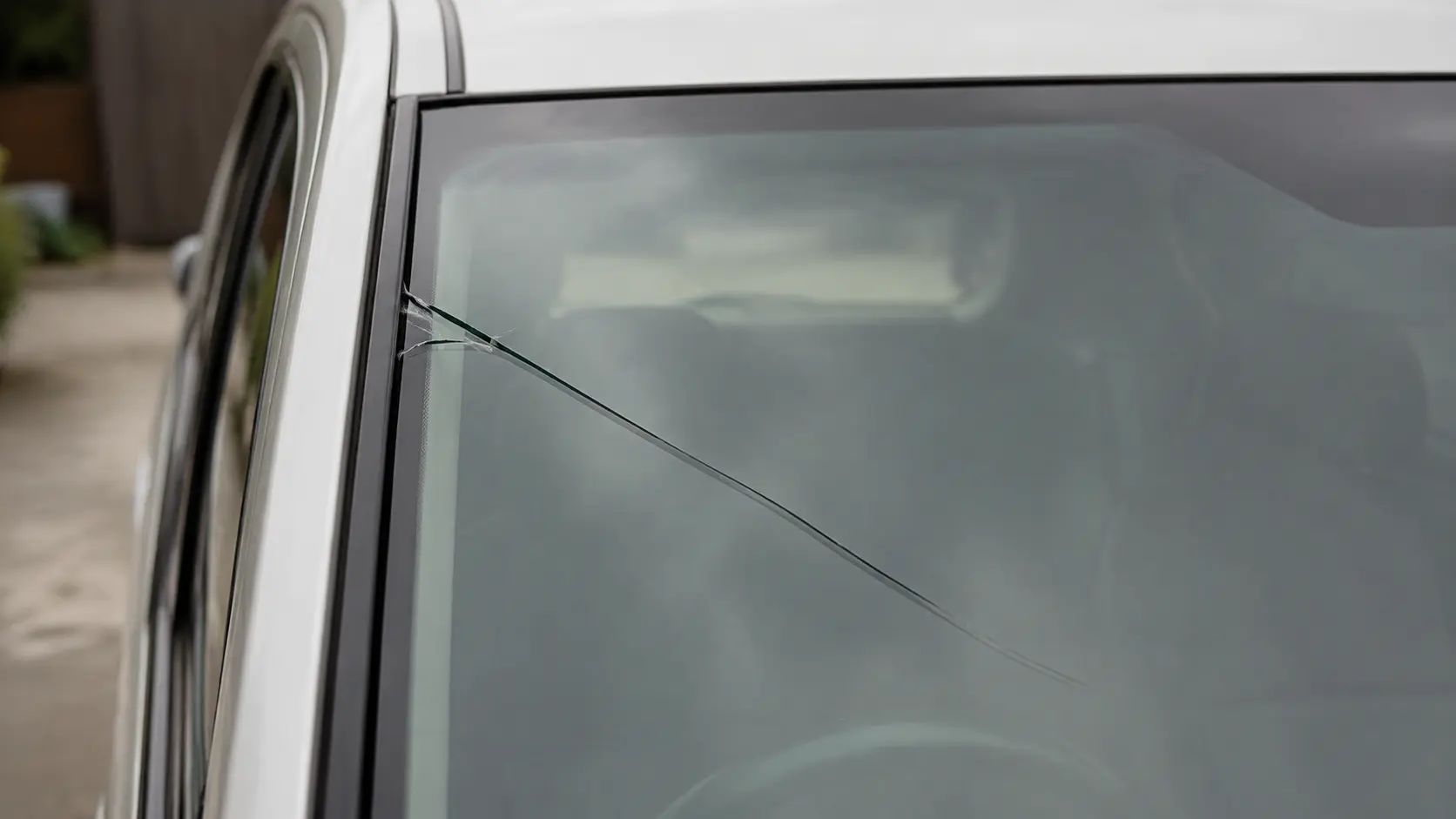
Not every chip or crack means you need a new windscreen. The correct option depends on the damage’s size, depth, position and whether it has begun to spread.
Replacement is more likely to be required when:
- The crack is too large to repair safely
- The damage reaches the edge of the windscreen
- There are multiple chips or cracks
- The damage obstructs the driver’s view
- The inner layer of laminated glass has been affected
- A previous repair has failed
- The windscreen is badly scratched, pitted or discoloured
Damage near the edge is particularly concerning because this area contributes to the overall strength of the windscreen. Even a relatively short crack can weaken the glass if it extends from the outer edge.
A technician should inspect the damage before deciding whether a repair or complete replacement is appropriate.
Why Correct Windscreen Replacement Matters
A windscreen does more than keep wind, rain and road debris outside the vehicle. It also contributes to the vehicle’s structural strength and can affect how the roof performs during a rollover.
The Victorian Government advises that windscreens and rear windows form part of a vehicle’s structure. Correct adhesives and installation procedures are therefore important for maintaining roof strength and vehicle safety.
The windscreen must also provide the driver with a clear view of the road. Windscreen condition is one of the safety items assessed during a Victorian roadworthy inspection. Significant cracks, chips or deterioration that interfere with visibility may need to be addressed before a vehicle can be considered roadworthy.
What Information Is Needed When Booking?
Providing accurate vehicle details helps the technician identify the correct replacement glass before the appointment.
You may be asked for:
- The vehicle’s make, model and year
- The registration number
- The vehicle identification number, if required
- The location and extent of the damage
- Whether the windscreen has rain sensors
- Whether cameras or other equipment are mounted near the rear-view mirror
- Whether the glass has heating, tinting or an acoustic layer
Two vehicles with the same model name can use different windscreens depending on their year, trim level and included technology. Photographs of the damage and the area around the rear-view mirror can also help identify the correct glass.
What Happens During a Windscreen Replacement?
Although the precise method varies between vehicles, a professional windscreen replacement generally follows several key stages.
Inspecting the Windscreen and Vehicle
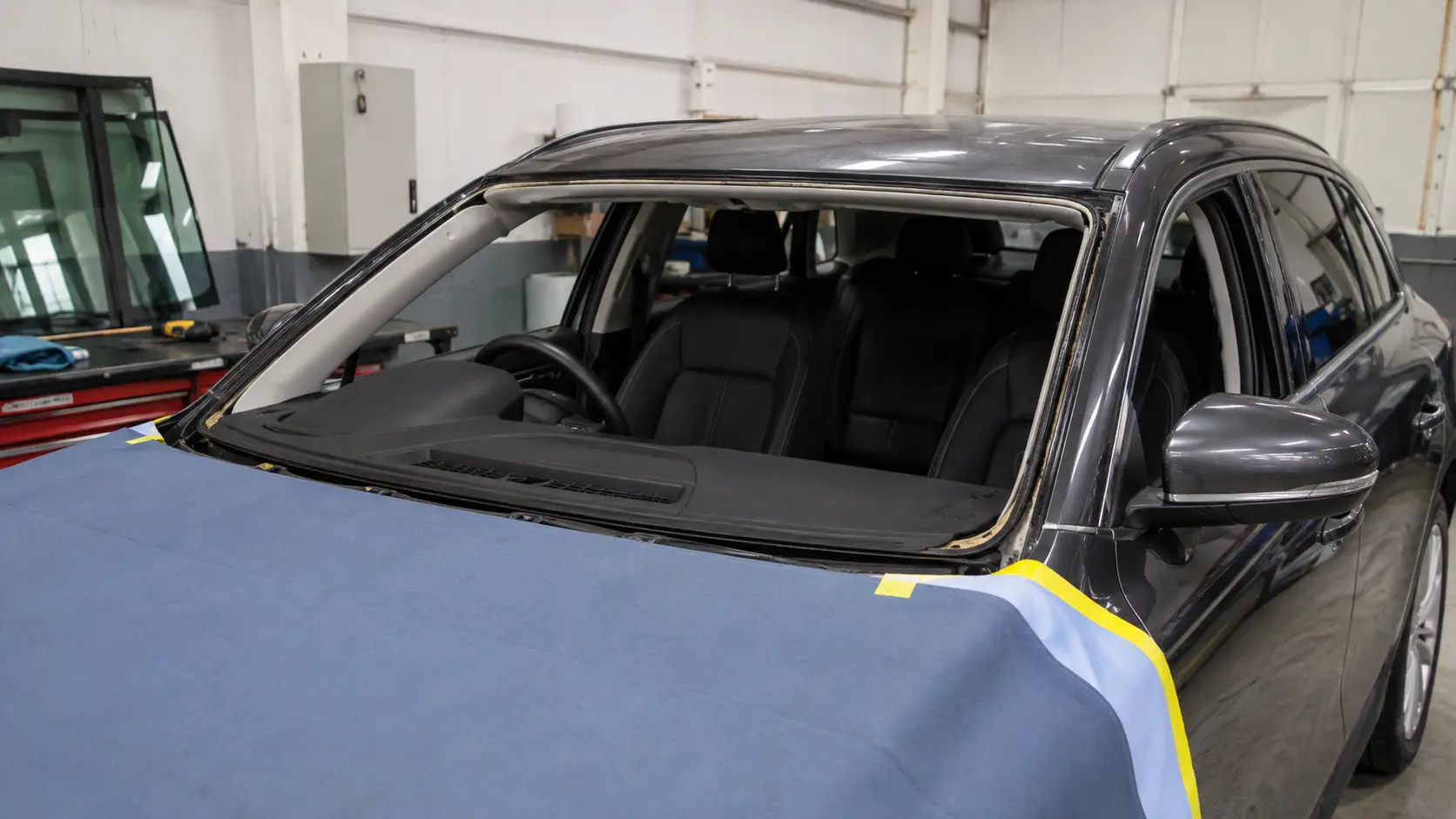
The technician first confirms that replacement is necessary and checks which features are incorporated into the existing glass. The dashboard, bonnet and surrounding paintwork are protected before removal begins.
Removing the Damaged Glass
The mouldings and other required components are carefully removed. Specialist tools are then used to separate the windscreen from the adhesive bonding it to the vehicle.
Care is needed during this stage to avoid damaging the paintwork, body opening or nearby vehicle components.
Preparing the Windscreen Opening
Once the old windscreen has been removed, the remaining adhesive is trimmed to the appropriate level. The technician inspects the opening for dirt, corrosion and damage that could interfere with the new seal.
Any unexpected rust or body damage may need to be discussed before the installation can continue.
Installing the New Windscreen
The replacement glass is checked for the correct size, shape and included features. The bonding area is prepared, new automotive adhesive is applied and the windscreen is positioned accurately in the opening.
Mouldings, sensors and other removed components are then refitted as required.
Completing the Final Checks
The technician checks the windscreen’s position, seal and overall finish. The glass and surrounding work area are cleaned, and you are advised how long the vehicle must remain stationary before it can be driven.
Will the Vehicle’s Cameras Need to Be Recalibrated?
Many newer vehicles have cameras or sensors mounted on or near the windscreen. These systems may support features such as:
- Lane departure warnings
- Lane-keeping assistance
- Automatic emergency braking
- Traffic sign recognition
- Adaptive cruise control
- Automatic headlights and windscreen wipers
Removing and replacing the windscreen can alter the position or view of a forward-facing camera. Depending on the vehicle manufacturer’s requirements, the system may need static calibration, dynamic calibration or a combination of both.
Drivers should confirm whether recalibration is required for their particular vehicle and how it will be arranged. Warning lights do not always appear when a camera is slightly misaligned, so the absence of a dashboard warning does not necessarily mean calibration is unnecessary.
Can a Windscreen Be Replaced Using a Mobile Service?
Mobile replacement allows the work to be completed at a suitable home, workplace or other accessible location. It can be helpful when the windscreen is unsafe to drive with or travelling to a workshop would be inconvenient.
However, the installation area needs to be safe, reasonably level and protected from conditions that could affect the work. Rain, strong wind, dust and extreme temperatures may interfere with the installation or adhesive curing process.
If suitable conditions are unavailable, completing the replacement at the Heidelberg West workshop may be the better option. The technician can advise which setting is appropriate when the appointment is booked.
How Long Does Windscreen Replacement Take?
The installation itself will often take around one to two hours, although the total time depends on the vehicle, the glass and the equipment that must be transferred or recalibrated.
The vehicle must also remain stationary while the adhesive develops enough strength for safe driving. This period is known as the safe drive-away time. It varies according to the adhesive, temperature, humidity and installation conditions.
Do not assume the vehicle is ready to drive as soon as the new windscreen is fitted. Follow the specific timeframe provided by the technician.
How Should You Care for a New Windscreen?
The adhesive continues curing after the initial safe drive-away time. Following the technician’s instructions during this period helps protect the new seal.
You may be advised to:
- Avoid washing the vehicle for the recommended period
- Leave retention tape in place until instructed to remove it
- Avoid slamming the doors
- Keep the dashboard clear of objects resting against the glass
- Avoid rough roads where practical
- Check that cameras, sensors and automatic wipers operate normally
Aftercare requirements can vary between products and vehicles, so the installer’s instructions should take priority over general advice.
What Problems Should You Watch for After Replacement?
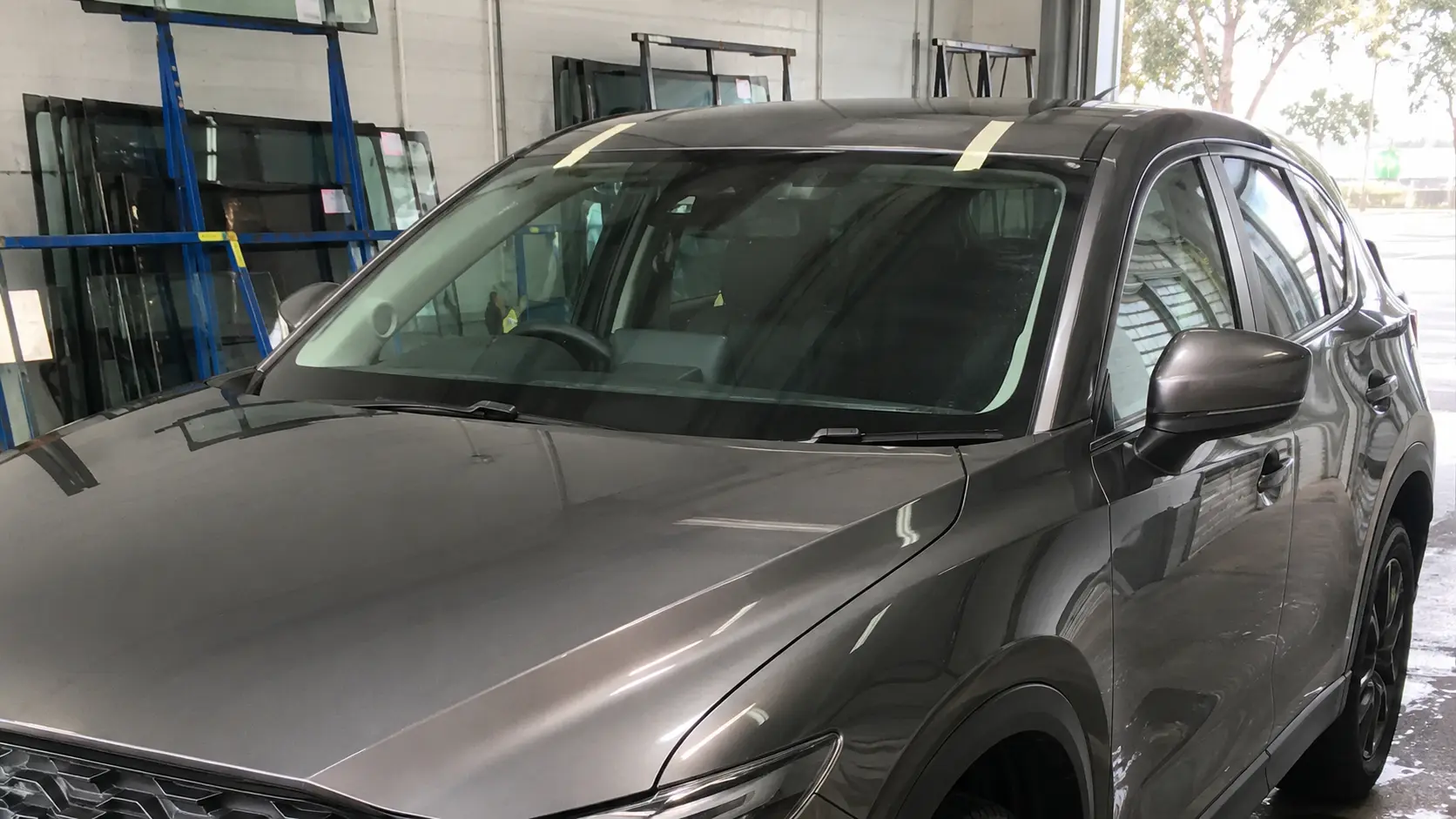
A correctly installed windscreen should sit evenly, remain watertight and provide clear, distortion-free vision.
Contact the installer if you notice:
- Water entering around the windscreen
- Unusual wind noise that was not present before
- Loose or lifting mouldings
- Visible gaps around the glass
- Distortion in the driver’s field of view
- Dashboard warnings relating to cameras or safety systems
- Automatic wipers or other windscreen-mounted equipment not working correctly
Reporting a concern early allows the installation and related components to be inspected before the problem becomes more disruptive.
Repair or Replace the Damage Promptly
Small chips can spread due to road vibration, temperature changes or another impact. Having the damage assessed early gives you a better chance of repairing the existing windscreen before replacement becomes necessary.
If the damage is already too extensive to repair, professional replacement restores clear visibility, weather protection and the secure bond between the windscreen and vehicle body. Melbourne drivers can choose between mobile service at a suitable location or replacement at the Windscreen Deals workshop in Heidelberg West.